For brands, retailers, e-commerce sellers, and purchasing teams, post-wash complaints are rarely minor issues. Shedding, shrinkage, fading, curled edges, lingering odors, cracked anti-slip backing, delamination, or reduced grip can quickly turn into poor reviews, returns, added customer-service costs, and lost trust in a product line.
That is why washable-mat development needs to go beyond how a product looks and feels when it first comes out of the package. Uwin supports OEM and ODM projects for bath mats, kitchen mats, doormats, anti-slip mats, and other custom mat programs by helping customers identify material and construction risks early—before those risks become recurring after-sales problems.
Common Post-Wash Complaints and What to Review During Development
| Post-Wash Complaint | Common Material or Construction Factors | Uwin’s Development Focus |
|---|---|---|
| Shrinkage, curled edges, or bulging | The face fabric, filling, and backing shrink or recover at different rates | Review dimensional stability and flatness in wet, dry, and repeated-wash conditions |
| Shedding, pilling, or surface wear | Fabric construction, pile height, yarn selection, finishing, or intended use is not well matched | Match the surface structure to the target price point, frequency of use, and desired hand feel |
| Fading or blurred artwork | The printing process, ink, substrate, and finishing process are not compatible | Evaluate color and print clarity through the agreed sample-testing process |
| Hard, sticky, cracked, or delaminated backing | The backing is not suitable for heat, detergents, moisture, or repeated flexing | Select the backing structure according to the target floor, use environment, and care method |
| Reduced absorbency or slow drying | The absorbent layer, filling density, surface structure, and thickness are out of balance | Balance absorption, water retention, drying time, cushioning, and recovery after washing |
| Hair, stains, or odors remain after cleaning | Surface texture, fiber structure, or care guidance does not fit the application | For pet and kitchen products, consider easier-clean and faster-drying material directions |
| Sliding or lifted edges after washing | The backing deforms, loses floor contact, or the product dimensions become unstable | Review flatness and in-use stability on the intended floor surface before and after washing |
How Uwin Selects Materials and Construction for Better Wash Performance
A washable mat’s performance is never determined by a single material. The face layer, filling, backing, anti-slip surface, edge construction, and bonding method all need to work together. When one layer responds differently to water, heat, detergent, or repeated bending, the finished product may lose its shape, appearance, or stability after washing.
Uwin works with customers to evaluate suitable material combinations and product structures based on the intended application, target price point, sales channel, destination market, and expected care method. This helps turn broad requests such as “easy to clean” or “machine washable” into a product specification that is more practical for real use.
A Kitchen Mat Example: Print, Edge, and Anti-Slip Performance
A floor mat’s post-wash performance is not determined by any single material. The compatibility of the surface layer, cushioning layer, backing, non-slip base, edge construction, and bonding process all affects how the product performs after washing, spin cycles, air-drying, and long-term use.
Uwin works with customers to evaluate suitable material combinations and product structures based on the intended application, target price point, sales channel, destination market, and expected care and washing methods.
For example, some digitally printed kitchen mats on the market achieve a colorfastness rating of only approximately Grade 2–3. As a result, colors may fade and patterns may lose clarity after repeated washing and prolonged use. Conventional edge-sealing structures may also crack or split, allowing moisture to enter the internal layers and reducing the product’s service life. Inadequate non-slip backing can cause kitchen mats to shift on wet floors or in high-traffic areas, creating additional safety concerns and after-sales risks.
Based on each product’s positioning and intended use, Uwin can help brands improve performance through printing, edge sealing, and non-slip construction. For projects requiring greater pattern durability, we can use a film-transfer printing process to improve graphic stability and reduce the risk of fading or blurring after washing. Edges can be tightly sealed using high-frequency RF heat-sealing equipment to help minimize splitting, water penetration, and layer separation. Slip resistance can be evaluated through in-house incline testing, while backing texture, material selection, and product weight can be adjusted to improve floor contact and reduce unwanted movement.
Matching Washable Mat Design to Your Sales Channel and End Use
Many wash-related complaints do not start with the face fabric. They happen because different layers shrink, stretch, or recover at different rates during cleaning. The visible result may be a raised center, wrinkling, curled edges, or separation between the backing and upper layers.
This is particularly important for thicker kitchen mats, cushioned mats, anti-fatigue mats, and products made with foam or EVA filling. A thicker mat may feel more comfortable initially, but thickness alone does not guarantee better long-term performance. Without the right layer construction and recovery characteristics, a thicker product can be more likely to distort or lift at the edges after washing.
Key Points Uwin Reviews During Development
During the development stage, Uwin discusses practical details with customers, including:
- Whether the face material, filling, and backing have compatible shrinkage and recovery characteristics
- Whether edge binding, heat pressing, lamination, bonding, or stitching suits the intended cleaning method
- Whether the product is likely to curl, warp, or struggle to return to a flat shape in wet and dry conditions
- Whether the thickness, density, and softness fit the target retail price, expected use frequency, and application
- Whether the product is better suited to machine washing, spot cleaning, hand washing, or air drying
- Whether folded or rolled packaging could affect flatness and recovery time after unboxing
Reviewing these points at the sampling stage helps customers avoid a familiar problem: the initial sample looks good, but consumer experiences become inconsistent after the product is washed at home.
What Uwin Reviews During Sample Development and Validation
For retail and e-commerce mat programs, sample approval should not stop at color, dimensions, hand feel, and initial anti-slip performance. Many consumer reviews are written after the first wash. Post-wash performance should therefore be part of the sample discussion, especially for products sold as washable, easy-care, or suitable for frequent cleaning.
Depending on the product structure, target market, intended care method, and customer requirements, Uwin can discuss checks such as:
- Dimensional changes before and after washing
- Shedding, pilling, fading, print wear, or localized deformation
- Curled, lifted, split, or uneven edges
- Hardening, cracking, stickiness, warping, or delamination of the anti-slip backing
- Basic absorbency after cleaning for absorbent products
- Residual hair, stains, or odors on kitchen and pet products
- Stability on the intended floor surface after washing
- Whether care instructions accurately reflect the actual material and construction
For existing products that already have complaints about curling, cracked backing, fading, or other wash-related issues, Uwin can also review the sample, known product structure, intended care method, and customer feedback. From there, we can discuss the material or construction factors that may be contributing to the issue and identify feasible improvement directions.
Matching Washable Mat Design to Your Sales Channel and End Use
Different sales channels create different expectations. E-commerce products often rely heavily on consumer reviews and repeat purchases, so post-wash appearance, clear care graphics, and understandable product benefits matter greatly. Brick-and-mortar retail programs may focus more on size assortment, packaging efficiency, shelf presentation, price architecture, and replenishment consistency.
Pet-product brands usually need to consider frequent cleaning, faster drying, easier hair removal, and odor management. Kitchen and entryway programs may place greater emphasis on stain resistance, abrasion performance, stable edges, and dependable floor contact.
Development Directions by Application
- Bathroom and home-retail mats: Balance absorbency, softness, anti-slip performance, and post-wash flatness.
- Kitchen and entryway mats: Focus on abrasion resistance, easier cleaning, edge stability, and floor contact.
- Custom OEM/ODM programs: Develop around size, color, print design, materials, packaging, and private-label requirements.
Uwin’s Washable Mat Development Capabilities
Uwin has a monthly production capacity of more than 800,000 PVC mats and approximately 220,000 EVA mats, and has supported the customized product requirements of more than 300 brands.
For washable mat projects, Uwin supports customers throughout the following stages of product development:
Uwin manages key stages of washable mat development in-house, including PVC foam production, EVA film processing, digital printing, lamination and bonding, and edge-binding construction. This allows material selection, layered construction, and finishing details to be evaluated together during product development.
Our internal quality checks may include tensile strength, peel strength, abrasion resistance, washability, colorfastness, odor assessment, and dimensional inspection. Depending on the product structure, intended cleaning method, and target market, these checks help evaluate whether the finished mat can maintain its appearance, bonded-layer integrity, and functional performance after washing.
Uwin can also support applicable compliance requirements, including REACH, OEKO-TEX® and California Proposition 65. Supporting test reports and certificates can be provided based on the specific material, finished product, and customer requirements.
Frequently Asked Questions
Are all washable mats suitable for machine washing?
No. Machine-wash suitability depends on the face material, filling, backing, anti-slip layer, overall construction, recommended water temperature, spin cycle, and drying conditions. During product development, brands should define exactly what “washable” means for the finished product instead of relying on a broad marketing claim.
Can mats with anti-slip backing be washed repeatedly?
It depends on the backing material, thickness, bonding method, and actual care conditions. For mats with PVC, TPR, rubber, or composite backing, brands should review post-wash flexibility, flatness, floor contact, and potential cracking or delamination during sampling.
How can brands reduce curled edges after washing?
Post-wash curling is often related to inconsistent shrinkage between layers, unsuitable bonding methods, edge construction, thickness design, or drying conditions that do not match the product structure. The more effective approach is to confirm the material combination and expected care method during development rather than trying to correct the issue after production.
Can Uwin help improve an existing mat with wash-related complaints?
Yes. Customers can provide an existing sample, product-construction details, intended care method, and consumer feedback. Uwin can then discuss material and construction factors that may affect post-wash performance and explore practical improvement directions.
Can Uwin develop washable mats with private-label packaging?
Yes. Uwin supports customized development around dimensions, materials, colors, printing, branding, hangtags, and packaging formats. Sample and production arrangements can be discussed according to project requirements.
What should brands confirm first when developing a washable mat?
We recommend confirming the intended use environment, expected cleaning frequency, target floor surface, target price point, material restrictions, care method, packaging format, and sample-acceptance requirements first. Together, these factors shape the final material and construction solution.
Build Post-Wash Performance Into the Product From the Start
Reducing washable-mat complaints is not simply about making a product thicker or adding a “washable” claim to a product page. It means treating post-wash performance as part of the product’s core performance from the beginning.
For brands and purchasing teams, the real standard is whether a mat can retain its appearance, intended function, and in-use stability after reasonable repeated cleaning. When materials, construction, sample validation, care instructions, packaging, and sales-channel needs are considered together, the product is better positioned to deliver a more consistent customer experience.
If you are developing a new washable-mat program or want to improve an existing product with wash-related complaints, share your target market, sales channel, current sample, material requirements, or consumer feedback with Uwin. We can discuss a development approach that fits your project—from material matching and structural design to sample approval and packaging.
UWIN Invites You to Discover the Future of Home Goods at the 2025 Spring Canton Fair (Phase II)
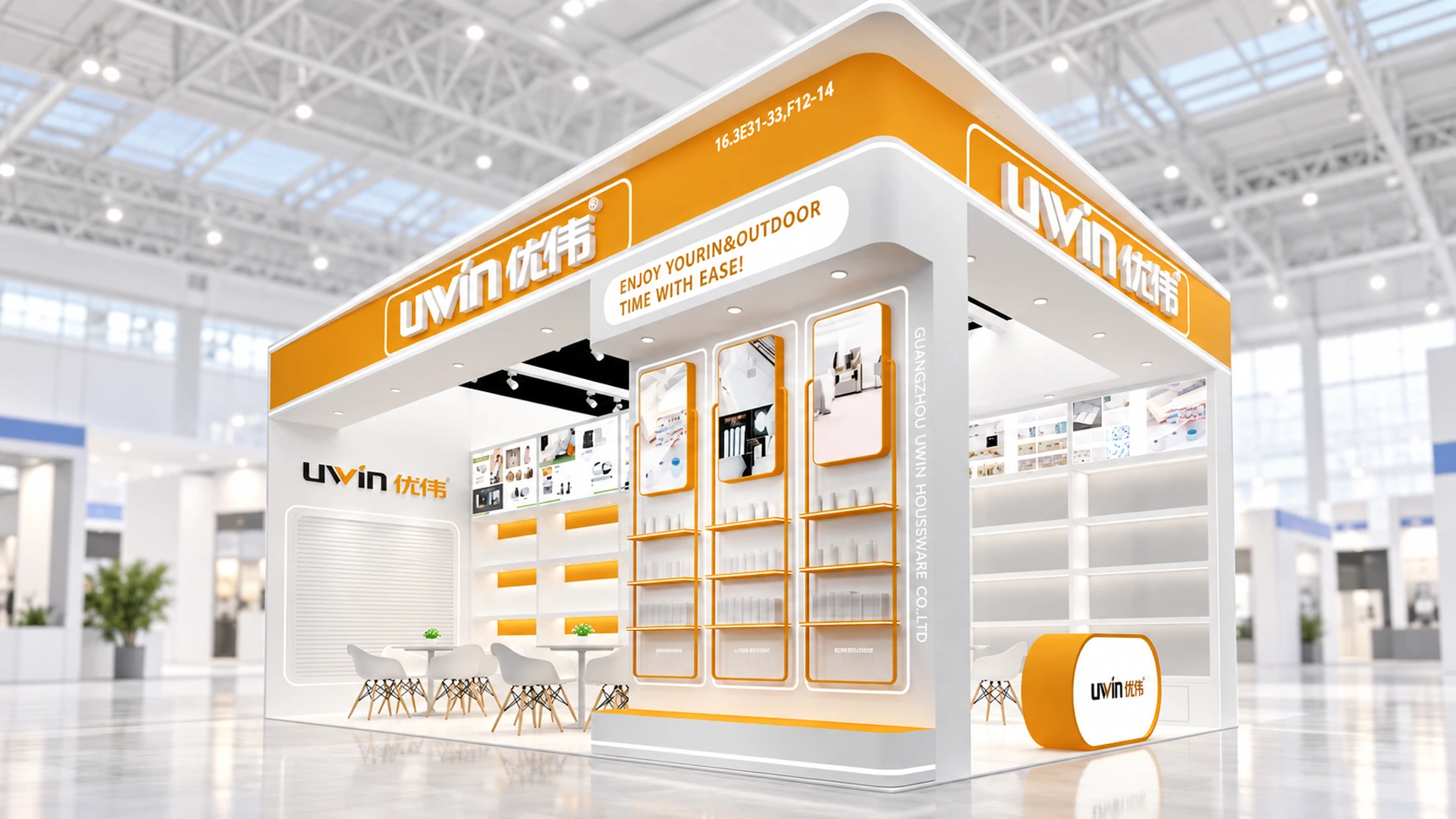
Discover the latest in home goods innovation with UWIN at the 2025 Spring Canton Fair (Phase II)! Explore our new materials, designs, and IP-derived product solutions. Find us at Booth 16.3 E31-33 F12-14!
How to Prevent Floor Mats from Slipping on Carpet
Even if a mat stays firmly in place on hard flooring, it may still slide when placed on carpet....
How to Prevent Mats from Slipping and Improve Customer Satisfaction
When a mat shifts forward, curls at the edges, or bunches up on carpet, consumers do not usually...
Dog Comfort on Long Car Rides: What Should Pet Businesses Consider?
A pet car window cushion that recently attracted attention and discussion on social media began...
Traveling With Pets: Product Insights for Brands and Retailers
The potential market for pet travel products is substantial. The American Pet Products Association...
Join Us at the 139th Canton Fair: Discover Innovation for the Silver Economy & Pet Care
GUANGZHOU, CHINA – We are thrilled to announce our participation in the upcoming 139th China...