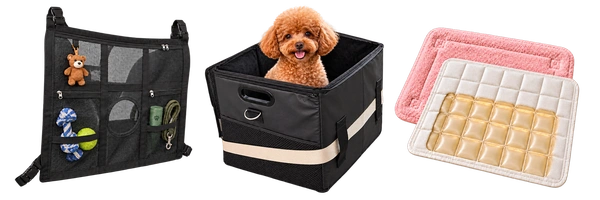

PCM is a class of functional materials that absorb, store, and release thermal energy through changes in physical state, rather than one specific substance. The composition and appearance vary across different PCMs. Common solid–liquid PCMs are generally solid below their phase-change temperature range, gradually become liquid as they enter their melting range, and solidify again as they cool. In finished products, PCM can be enclosed in flexible pouches or other containers, so changes in the material’s internal state may not be visible from the outside.
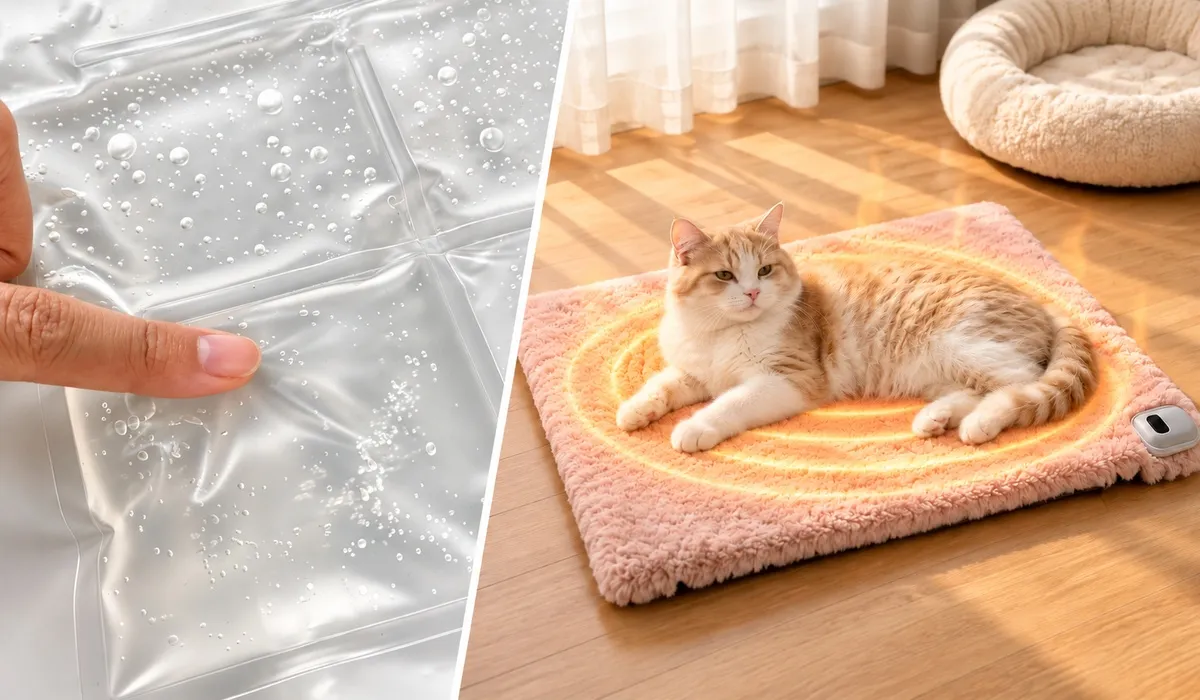
How PCM Stores Heat
When ordinary materials absorb heat, their temperature generally rises. Once PCM enters its phase-change temperature range, some of the absorbed energy goes into changing its physical state. This energy is known as latent heat. In a solid–liquid phase change, PCM absorbs and stores heat as it melts, then releases that stored heat as it solidifies. Because the material’s temperature changes relatively little during this process, PCM can help buffer temperature changes under suitable conditions.
How PCM Works
PCM (Phase Change Material) absorbs and releases heat during a phase change. It can be used for heat storage to provide warmth or cold storage to provide cooling, with both applications relying on the same cycle. Common solid–liquid PCMs work as follows:
① Absorbing Heat: Gradually Changing from Solid to Liquid
When the surrounding environment or a heat source is warmer than the PCM, heat flows into the material. Once it reaches its melting temperature range, the PCM begins to melt, storing the absorbed energy as latent heat—the energy used to change its physical state. During this phase change, the material’s temperature changes relatively little, helping buffer temperature increases.
② Releasing Heat: Gradually Changing from Liquid Back to Solid
When the surrounding environment is cooler than the PCM, the material begins transferring heat outward. As it cools into its solidification temperature range, the PCM gradually solidifies and releases the latent heat it previously stored, helping slow the cooling of the surrounding or contact area.
Common Products That Use PCM
PCM is commonly used in cold-chain shipping containers, insulated food containers, temperature-regulating bedding, cooling vests, building thermal energy storage systems, and electronics thermal management products. In cold-chain containers and cooling vests, PCM is typically precooled so it can absorb heat during use and help slow temperature increases. In insulated food containers and heat-storage warming mats, it stores heat first and then gradually releases it to help slow cooling. Each application requires an appropriate phase-change temperature range, material quantity, and product structure to achieve the intended temperature-buffering effect.
How Uwin Uses PCM in Pet Mats
Uwin incorporates PCM into the internal heat-storage components of selected pet warming mats, offering PCM heat-storage versions and versions that combine low-voltage heating with PCM heat storage.
In the heat-storage version, the PCM must first receive heat from a designated source and reach the appropriate conditions before it can store energy through a phase change. In the combined heating and heat-storage version, the heating component supplies heat, and the PCM absorbs and stores part of that energy. When heating stops and the mat gradually cools, the PCM releases its stored heat to help slow the cooling process.
How the TPU Pouch Works with PCM
To incorporate PCM into a flexible pet mat, Uwin encapsulates the PCM in a TPU pouch. The two materials serve different functions: PCM stores and releases heat, while the TPU pouch contains the material and maintains a seal after the PCM melts into a liquid.
TPU is selected primarily for its flexibility and heat-sealing capabilities, which allow the encapsulated component to accommodate bending and everyday movement of the mat. The specific material grade, film thickness, and sealing process must also be considered when verifying the pouch’s sealing performance and durability under repeated bending and compression.
How the Complete Structure Affects Product Performance
The encapsulated PCM component must work together with the surface fabric, insulation layer, and backing to form a complete pet warming mat. The thermal properties of the PCM do not directly determine the temperature of the finished product’s contact surface.
For example, the thickness of the surface fabric affects heat transfer and how the mat feels to the touch. The amount and distribution of PCM affect heat-storage capacity while also changing the mat’s overall weight and flexibility. The insulation layer affects how much heat transfers downward. Even when the same PCM is used, the complete sample must be checked again after changes to the fabric or structure.
During development, Uwin matches materials, adjusts the structure, and evaluates samples based on the product’s dimensions, thickness, flexibility, and intended use. The finished product is assessed for temperature changes, feel, weight, and durability so that the heat-storage component works with the pet mat’s overall usage requirements.
Pet Mat Test Performance
Uwin offers basic PCM heat-storage pet mats and low-voltage heated PCM heat-storage pet mats. The basic version has no electric heating system and stores heat transferred from the pet’s body. Once the appropriate heat-storage conditions are met, it can continue releasing stored heat for approximately 3 hours.
The heating + PCM version uses a 5V low-voltage power supply and offers adjustable temperature settings. The maximum heating temperature can reach 65°C (149°F), with an average contact-surface temperature of 45–50°C (113–122°F). After heat storage is complete, it can continue releasing heat for approximately 6 hours after the power is disconnected.
These heat-release durations do not mean the mat maintains a constant temperature throughout that period. Actual temperatures and duration are affected by ambient temperature, the amount of heat stored, product structure, and usage conditions.
Uwin’s product development team is currently developing PCM pet mats that address both warming and cooling needs. If you have specific ideas about usage scenarios, thermal performance, materials, or product structure, we welcome your input to help inform new product development.
Frequently Asked Questions
Does a PCM pet mat generate heat on its own?
PCM works by absorbing and releasing existing heat. The available heat source or heat-charging conditions must be specified. The presence of PCM alone does not mean a mat will become warm in every environment.
Do Uwin PCM pet mats require electricity?
The low-voltage heated pet mat supports charging, while the basic pet mat relies solely on heat from the pet’s body.
Is the PCM’s phase-change temperature the same as the temperature of the surface the pet touches?
No. Encapsulation, fabric, internal layers, and environmental conditions all affect the surface temperature. This must be confirmed by measuring the complete product.
Does adding more PCM always extend the temperature-buffering period?
Adding more PCM can increase potential heat-storage capacity, but actual performance also depends on how fully the material is charged with heat, how heat transfers, and how quickly it is lost. After adjusting the PCM quantity, the finished product’s weight, flexibility, and temperature curve should be reassessed.
Can the entire Uwin PCM pet mat be washed?
Uwin pet mats consist of an outer cover, a functional inner core, and electrical components, which are not included in the basic version. The outer cover can be removed for washing.
What information is needed to develop a custom product?
Please provide the target market, application, dimensions, intended method of use, thermal performance targets, cleaning requirements, branding and packaging requirements, and estimated order quantity. Reference samples or existing testing requirements can also be provided to support material and structural evaluation.
Brands, retailers, and importers developing pet warming mats for fall and winter can submit project requirements to info@uwinmats.com. Defining usage conditions and performance targets before discussing PCM, encapsulation, fabrics, and manufacturing options provides a clearer basis for sample evaluation and subsequent purchasing decisions.
How Uwin Manufacturing Helps Brands Develop More Washable and Durable Mats
For brands, retailers, e-commerce sellers, and purchasing teams, post-wash complaints are rarely...
How to Prevent Floor Mats from Slipping on Carpet
Even if a mat stays firmly in place on hard flooring, it may still slide when placed on carpet....
How to Prevent Mats from Slipping and Improve Customer Satisfaction
When a mat shifts forward, curls at the edges, or bunches up on carpet, consumers do not usually...
Dog Comfort on Long Car Rides: What Should Pet Businesses Consider?
A pet car window cushion that recently attracted attention and discussion on social media began...
Traveling With Pets: Product Insights for Brands and Retailers
The potential market for pet travel products is substantial. The American Pet Products Association...