The short answer is that TPU can be used in everyday products. Under normal temperatures and normal contact conditions, the raw material is generally not considered toxic to humans. But whether a particular product is suitable for use depends on the specific TPU grade, other materials added to the product, its finished construction, and how it comes into contact with people, pets, or food.
Take a pet cooling mat, for example. The surface a consumer touches may be fabric, while TPU serves as a film laminated to that fabric, with gel or another filling inside. In this case, the entire mat needs to be evaluated, not just its TPU layer.
What Is TPU?
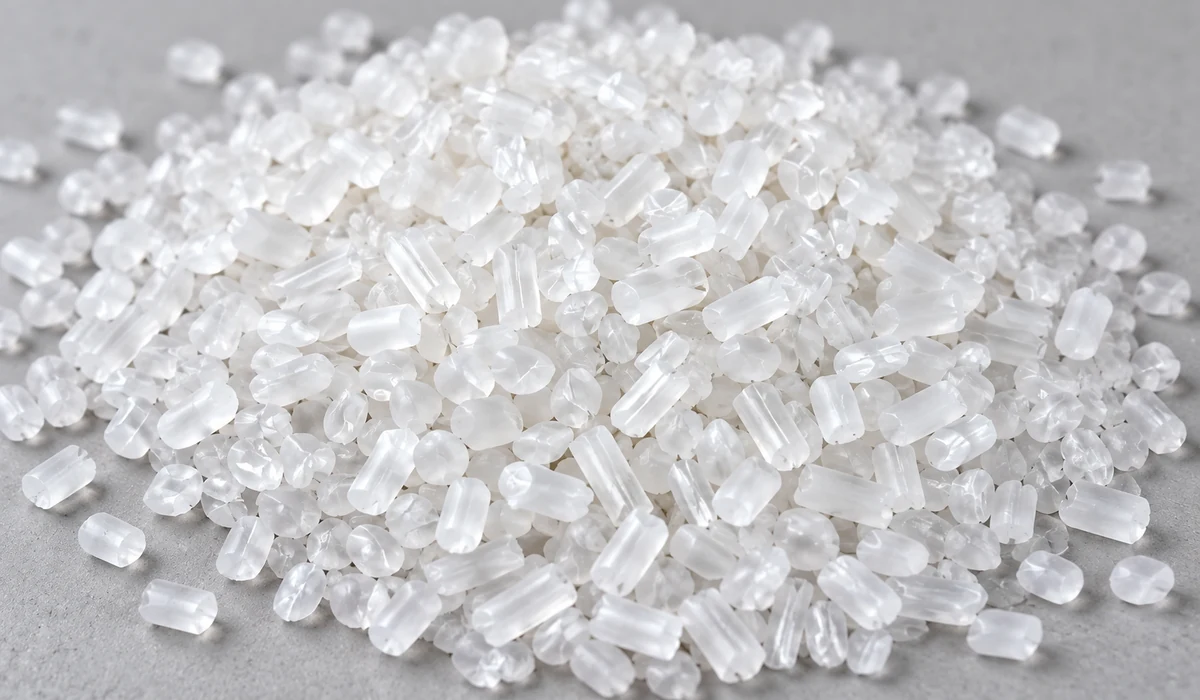
TPU stands for thermoplastic polyurethane. It belongs to the polyurethane family and can be processed into films, sheets, and other components using thermoplastic methods. Material suppliers offer TPU grades with different hardness levels, chemical structures, and intended uses. TPU is used in footwear, films, textiles, hoses, and other products. Some grades are also developed specifically for food-contact or medical applications.
TPU’s flexibility and processing characteristics allow it to become part of a mat’s surface or layered construction. For example, a TPU film can be bonded to fabric to create a flexible functional material. But a “TPU mat” does not have one fixed formula. Two products labeled TPU may use entirely different film thicknesses, surface materials, adhesives, and internal structures.
That is why a discussion of TPU safety needs to go beyond the material name to the specific grade and finished product.
Is TPU Toxic? The Material and Finished Product Are Different Questions
First, TPU is not a single raw material. Different grades use different raw material systems and formulations, so their properties and suitable applications vary. For example, suppliers offer separate grades for general industrial uses and more sensitive applications such as food contact. Whether a particular TPU is suitable for a specific use must be checked against that grade’s documentation. It cannot be inferred from the general term “TPU.”
Second, a raw material and a finished product are not the same test subject. In addition to TPU, a mat may contain fabric, printing, adhesive, filling, and edge-sealing materials. Even if the TPU raw material has a test report, that report may not cover materials added later or the finished product after processing.
Finally, the type of contact changes the question that needs to be answered. A desk mat that is occasionally touched by hand has a different contact duration from a mat that rests against skin for long periods. An ordinary pet mat and a pet cooling mat that may be chewed also present different possibilities for damage.
So a more useful question than “Is TPU toxic?” is:
What materials does this product contain? Under its intended use and foreseeable damage, what could a person or pet come into contact with? Do the available records show that the product is suitable for those conditions?
What Everyday Products Commonly Use TPU?
There are many types of TPU. For a closer look at the material, see our article What Is TPU? Its uses are broad, but each product category needs to be evaluated according to how contact occurs. The examples below show why “suitable for making this type of product” does not automatically mean “every product in this category is safe.”
| Product type | Possible role of TPU |
|---|---|
| Footwear and shoe components | Provides flexibility, support, or wear resistance |
| Phone and electronics protection | Forms flexible protective components or films |
| Laminated textiles | Serves as a film, coating, or laminated layer |
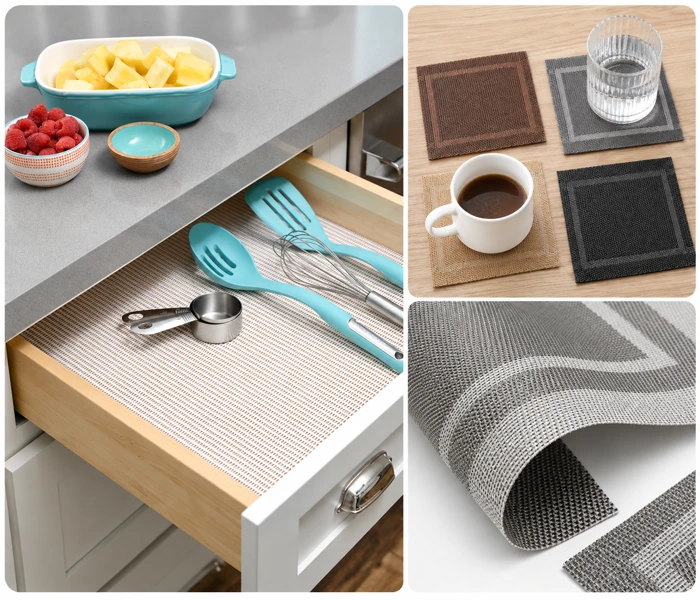
| Home and pet mats | Forms part of the surface, film, or laminated fabric |
| Food-contact products | Uses a specific grade developed for the relevant application |
For mats, the following three products may all contain TPU, but the choice of TPU type generally depends on the function the product needs to perform:
- Pet cooling mats: To create a flexible waterproof film that can withstand bending during everyday use, polyether-based TPU may be considered first. Certain grades offer better hydrolysis resistance and are worth comparing for film flexibility and how well they bond with fabric. The TPU film itself does not create a cooling effect; cooling performance still depends on the construction of the entire mat.
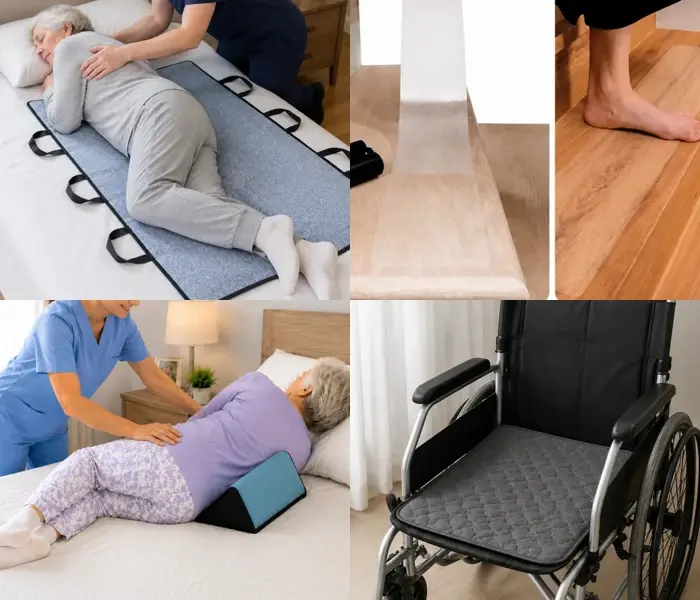
- Waterproof care pads: To create a waterproof layer that can bend repeatedly and account for damp conditions and cleaning, polyether-based TPU film may be evaluated first. Whether it is suitable for repeated washing must be confirmed through the selected grade, laminated construction, and finished-product testing.
- Desk protection mats: If surface wear resistance is the priority, polyester-based TPU may be evaluated first. If the product is transparent or light-colored and needs to retain its appearance over time, aliphatic TPU grades may also be compared. These terms describe different ways of classifying TPU, so the final choice should reflect actual abrasion, light exposure, and cleaning conditions.
What Factors Affect the Safety of a Finished TPU Product?
1. Formulation and Additives
“TPU” identifies a material category; it does not fully describe a formulation. A finished product may also contain colorants, processing aids, or other added materials. Buyers should therefore confirm the specific TPU grade and ask suppliers whether the test documents they provide cover the raw material, a particular component, or the finished product.
For example: A supplier provides a report for a clear TPU film, but the mat delivered uses printed fabric, a laminating adhesive, and internal filling. The film report helps document one material, but it cannot, on its own, establish that every component of the complete mat meets the requirements of its intended use.
2. Overall Construction After Lamination
Mats often have multiple layers. Whether the surface remains intact, the film stays bonded to the fabric, and the edges remain securely sealed can all affect which materials a user actually contacts.
For example: During normal use, a pet may touch only the fabric surface of a cooling mat. If a seam splits or the surface is chewed open, the pet could come into contact with materials inside. The risk assessment is then different from one based on an intact product under normal use.
Product development should therefore assess the laminated layers and edge seals as well as the TPU documentation. The finished-product tests needed will depend on the actual construction and use scenario.
3. Temperature, Humidity, Cleaning Agents, and Duration of Use
How a material performs at room temperature during brief contact may not reflect how it performs after repeated washing, exposure to high humidity, or long-term use. TPU grades also differ in their resistance to chemicals and environmental conditions. Material suppliers note that certain flexible polyester-based TPU grades may undergo hydrolysis under high heat and humidity, reducing their mechanical performance.
For example: An indoor pet mat wiped with a damp cloth as instructed faces different conditions from a mat cleaned daily with strong cleaning agents. Buyers should tell manufacturers how they expect the product to be cleaned, then confirm the material and testing plan before deciding what they can promise consumers.
For food-contact applications, temperature, food type, and contact time also matter. FDA food-contact information distinguishes between food types and conditions of use. Suitability under one set of conditions should not be extended to all conditions.
4. Wear, Cracking, or Aging Over Time
A newly manufactured product may be different from the same product after prolonged bending, abrasion, or washing. Surface wear, separation between laminated layers, or cracked edge seals can change which materials a user contacts and may expose the filling.
For example: If a gel-filled pet cooling mat leaks, the question is no longer just “Is TPU safe?” It also matters what the filling contains, whether a pet has touched or ingested it, and whether the product instructions clearly state when to stop using the mat.
Product development should consider both material selection and how the construction performs over its expected life. For mats that may be damaged, clear instructions on use and when to stop using the product are also part of the product information.
Frequently Asked Questions
1. Are TPU and Regular Polyurethane the Same Material?
TPU belongs to the polyurethane family, but it specifically refers to thermoplastic polyurethane, which can be processed using thermoplastic methods. “Polyurethane” is a broader term, so the properties or suitable uses of all polyurethane products cannot be applied directly to TPU. Even among TPU materials, grades differ.
2. Is All TPU Suitable for Skin Contact?
No. Suitability for skin contact depends on the specific grade, the layer of the finished product that directly touches skin, the duration of contact, and the product’s intended use. Material suppliers distinguish between general grades and grades developed for sensitive applications. The name “TPU” is not, by itself, a skin-contact test result.
If a product is a medical device, it should also undergo the appropriate biological evaluation for its intended use. ISO 10993-1 is a standard for the biological evaluation of medical devices; it should not be treated as a universal certification requirement for ordinary household mats.
3. Can TPU Be Used in Food-Contact Products?
Specific TPU grades can be used for specific food-contact applications, but not all TPU grades are suitable. Food-contact compliance requires checking the actual material, the type of food it contacts, contact time, temperature, and the market where the product will be sold.
For example, the EU has requirements concerning substances and migration for plastic food-contact materials and articles. In the United States, FDA authorization for food-contact substances also depends on the substance’s identity, intended use, and conditions of use. Buyers should request documentation that matches the actual finished product and its intended use, rather than accepting a general statement that a material is “food-grade TPU.”
4. Does an Odor Mean a TPU Product Is Toxic?
Toxicity cannot be determined by smell alone. An odor is something to investigate, but it does not identify the substance causing it or replace a review of the product’s composition or appropriate testing.
If a new mat has a noticeable odor, the first step is to determine whether it comes from the TPU, laminating adhesive, printed layer, packaging, or another component. Then consider the product’s intended use when deciding whether further testing is needed. Likewise, a product having no noticeable odor does not prove that it is safe.
5. Can a TPU Pet Product Still Be Used After It Has Been Chewed Open?
If the product has been chewed open, especially if it contains gel, liquid, or another internal filling, stop using it and follow the product’s instructions. Damage can expose a pet to materials that were originally sealed inside. An assessment of an intact product under normal use does not automatically apply after damage.
This is also something buyers should confirm before sourcing a pet mat: what is inside it, how are the edges sealed, and do the package instructions clearly explain what to do if the product is damaged?
Conclusion
TPU can be used in everyday products and can form part of a mat’s film or laminated construction. To determine whether a TPU mat is suitable for use, the key is to understand the specific materials, the construction of the complete product, and how it performs under intended conditions and foreseeable damage.
Uwin’s mat products have primarily used PVC or EVA. We are now developing new TPU mat products. If you have suggestions or features you would like to see, we welcome your comments.
Dog Comfort on Long Car Rides: What Should Pet Businesses Consider?
A pet car window cushion that recently attracted attention and discussion on social media began...
Traveling With Pets: Product Insights for Brands and Retailers
The potential market for pet travel products is substantial. The American Pet Products Association...